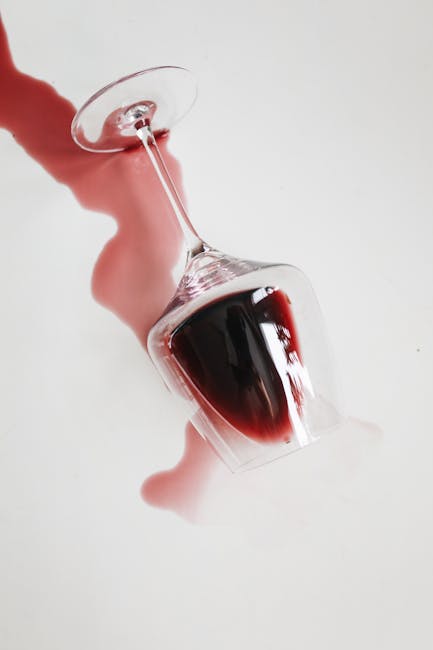
Step by Step Guide to Removing Red Wine Stains from Carpets
Spilled red wine on the carpet? It happens fast, usually at the worst possible moment, and the stain can look much bigger than the actual spill. The good news is that a careful step by step guide to removing red wine stains from carpets can make a real difference, especially if you act quickly and avoid the usual panic-cleaning mistakes. In this guide, you'll learn exactly what to do, what not to do, and when it makes sense to stop and bring in professional help. Let's keep it simple, practical, and honest.
If your carpet is valuable, light-coloured, wool, or already a bit tired, a cautious approach matters even more. One wrong move can set the stain, spread it, or rough up the fibres. So, before you grab the first bottle under the sink, read through the steps below.
Table of Contents
- Why removing red wine stains matters
- How the stain removal process works
- Key benefits and practical advantages
- Who this is for and when it makes sense
- Step-by-step guidance
- Expert tips for better results
- Common mistakes to avoid
- Tools, resources and recommendations
- Law, compliance, standards, or best practice
- Options, methods, or comparison table
- Case study or real-world example
- Practical checklist
- Conclusion
- Frequently asked questions
Why Step by Step Guide to Removing Red Wine Stains from Carpets Matters
Red wine is one of those stains that looks minor for about three seconds, then suddenly starts to bloom into a deep pink or purple patch. On carpet, that matters because fibres trap liquid quickly. If the spill sinks down into the backing, the stain becomes harder to lift and more likely to leave a shadow after cleaning.
There's also the texture issue. Carpet pile can hold onto pigments, sugars, and tannins from wine. In plain English, that means the stain is not just sitting on the surface. It is settling in. The longer it sits, the more likely it is to cling.
That is why a clear method helps. Not just any cleaning method. A method that tells you what to blot, what to dilute, and when to stop. In our experience, the biggest difference between a good result and a disappointing one is usually speed plus restraint. People often scrub too hard. Or they pour on too much liquid. Or both. Bit of a disaster, really.
For renters, households with children, or anyone preparing a home for guests, getting the stain under control quickly can save time, money, and a fair amount of stress. If the carpet is part of a broader deep clean, you may also want to look at professional carpet cleaning or deep cleaning when a stain becomes stubborn rather than trying every trick in the cupboard.
How Step by Step Guide to Removing Red Wine Stains from Carpets Works
The basic idea is straightforward: dilute the stain, lift it out of the fibres, and avoid pushing it deeper. That's really the whole game. Red wine contains colour compounds that bond to fibres, and once the liquid begins to dry, the bond becomes stronger.
Most successful stain removal follows three principles:
- Absorb first - remove as much excess liquid as possible before adding anything else.
- Dilute gently - use a small amount of liquid to loosen the stain without flooding the area.
- Lift, don't grind - blotting works better than scrubbing because it pulls the stain upward.
Different carpet materials respond differently. Synthetic fibres such as polyester or nylon are usually more forgiving than wool, but even synthetic carpet can get marked if you use the wrong product. Natural fibres are more delicate and can react badly to alkaline cleaners, bleach, or rough agitation.
The process also depends on the age of the stain. A fresh spill can often be improved dramatically in minutes. A dried stain may need multiple rounds, patience, and in some cases specialist treatment. Truth be told, dried wine on pale carpet is one of those jobs where optimism is useful, but realism is better.
Key Benefits and Practical Advantages
Following a proper stain removal process gives you more than a cleaner carpet. It gives you control, and that's usually what people need in the moment.
- Better chance of full removal - fast action increases the odds of lifting the pigment before it sets.
- Less fibre damage - blotting and controlled dilution are gentler than heavy scrubbing.
- Reduced staining halo - careful edge treatment helps avoid a larger faded ring around the mark.
- Lower cleaning cost later - a small spill dealt with properly may save a larger professional restoration job later.
- More confidence in everyday cleaning - once you know the method, you're less likely to panic next time.
There's also a practical household benefit that gets overlooked: a good stain routine helps you judge when a mark is beyond home treatment. That saves time. No endless dab-dab-dab on a stain that really needs proper equipment.
If wine stains happen alongside other everyday mess, like muddy footprints or general wear, a periodic one-off cleaning can help reset the room without committing to a full service plan.
Who This Is For and When It Makes Sense
This guide is for anyone dealing with a fresh or recent red wine spill on carpet. That includes homeowners, tenants, landlords, office managers, and anyone else who would rather not stare at a crimson blotch all evening.
It makes sense when:
- the spill is fresh or only partly dried
- the carpet is synthetic or medium-pile
- you have a small to moderate stain
- you want to try a gentle method before calling in help
It makes less sense when the carpet is antique, silk-blend, wool-rich, or heavily patterned in a way that can mask dye transfer. In those cases, a careful spot test or professional assessment is wiser.
This is also useful if you are moving out and trying to leave the property in decent condition. Wine stains on carpets can become a snag during an end-of-tenancy check, especially if there are several marks rather than one isolated incident. For broader move-out support, end of tenancy cleaning can be a sensible next step.
Step-by-Step Guidance
Here's the part people usually want right away. Keep it calm. Keep it simple. And work from the outside in.
Step 1: Act immediately and blot up the excess
Use a clean white cloth or paper towel and press gently onto the spill. Do not rub. Blot until the cloth stops picking up a lot of liquid. If the spill is still wet, you can often remove quite a bit at this stage.
If there are chunks of food or glass nearby, clear them first. Safety first, always. No dramatic heroics around broken glass.
Step 2: Test a hidden patch
Before using any cleaner, test it on a hidden part of the carpet. That could be inside a cupboard edge or behind a piece of furniture. You're checking for colour loss, texture change, or fibre damage.
If the carpet is wool or a delicate natural fibre, be extra cautious. A cleaner that works on one carpet can cause trouble on another.
Step 3: Dilute the stain with cold water
Lightly dampen the affected area with cold water. Use only enough to loosen the stain, not drench the carpet. Then blot again. The aim is to keep the stain mobile, not to spread it into the underlay.
Cold water is usually better than warm water for wine, because heat can help set the pigment. That's one of those small details that sounds fussy until you see the difference.
Step 4: Apply a gentle cleaning solution
You can use a mild carpet-safe cleaning solution or a simple home mix if you already know the carpet can handle it. Apply sparingly. A small amount is enough. Too much product means more residue, and residue attracts dirt later.
Work from the outer edge of the stain toward the centre. That helps stop the colour from spreading into a larger halo. Blot after applying, using a fresh white cloth each time if possible.
Step 5: Repeat in small cycles
Most red wine stains do not disappear in one go. You may need to repeat the dilute-blot cycle several times. That is normal. The key is patience, not force.
If the stain lightens but does not vanish, keep going in gentle rounds. If the carpet begins to look fuzzy, wet, or discoloured, stop and reassess. At that stage you may be doing more harm than good.
Step 6: Rinse lightly and blot dry
Once the stain looks reduced, lightly rinse the area with clean water and blot again. This removes leftover cleaner and helps reduce residue. Then place a dry towel over the spot and press down to absorb remaining moisture.
Good airflow helps too. Open a window if weather allows, or use a fan on a low setting. A damp carpet left too long can smell musty. Nobody needs that.
Step 7: Check the result after drying
The stain may look different once the carpet is fully dry. Sometimes a faint shadow remains even after the wet stain has disappeared. That shadow can be more obvious the next morning or under daylight. If it's still there, repeat the process carefully or consider professional help.
If the mark persists in a larger area, a specialist rug cleaning or carpet treatment may be more appropriate, especially where the carpet has a fine pile or decorative finish.
Expert Tips for Better Results
A few small habits make a bigger difference than most people realise.
- Use white cloths only. Coloured cloths can transfer dye, especially when wet.
- Work slowly. Fast, aggressive rubbing tends to spread the stain and fray fibres.
- Change cloths often. A dirty cloth just reintroduces pigment.
- Keep the area small. Treat the stain in a contained circle rather than soaking a wide patch.
- Check the backing. If the carpet feels damp through to the underlayer, stop adding liquid.
- Don't mix cleaners. Mixing products can create unpredictable results and extra residue.
One useful trick is to step back between rounds. Look at the stain in natural daylight if you can. At 9am it might look almost gone; under a hallway lamp at 9pm, not so much. Slightly annoying, but useful.
If your carpet has seen a fair bit of wear and you're cleaning several problem areas at once, it may be worth pairing stain removal with a broader domestic cleaning visit to tackle the room properly, not just the one patch you keep noticing.
Common Mistakes to Avoid
Most stain disasters are not caused by the wine itself. They're caused by the clean-up attempt. Here's what to avoid.
- Rubbing instead of blotting - this pushes the stain deeper and damages fibres.
- Using hot water straight away - heat can set the red pigment.
- Over-wetting the carpet - too much liquid can spread the stain and soak the underlay.
- Using bleach casually - bleach may remove colour from the carpet itself, not just the stain.
- Scrubbing with a stiff brush - that can rough up the pile and leave a permanent texture change.
- Ignoring residue - leftover cleaner can attract dirt and make the spot look dull later.
A very common mistake is trying six different methods in ten minutes. I get it. The stain is staring at you. But each new product can complicate the job. Sometimes less really is more.
Tools, Resources and Recommendations
You do not need a cupboard full of specialist gear. A few sensible items are enough for most small spills.
| Item | Why it helps | What to look for |
|---|---|---|
| White microfibre cloths | Lift liquid without transferring dye | Soft, lint-free, washable |
| Paper towels | Useful for initial absorption | Strong enough not to fall apart |
| Cold water | Helps dilute without setting the stain | Use sparingly |
| Mild carpet-safe cleaner | Helps break down remaining residue | Always patch test first |
| Dry towel | Final moisture removal | Clean, absorbent, plain |
| Fan or open window | Speeds drying and reduces odour | Low, steady airflow |
If the stain is part of a larger reset after a busy event, moving house, or a family gathering that got a bit lively, a more comprehensive one-off cleaning can be a practical way to get the property back to normal without juggling multiple jobs yourself.
For carpets that need more than spot treatment, a trusted carpet specialist can also advise whether local cleaning is enough or whether the pile needs deeper restoration. That judgement call matters more than people think.
Law, Compliance, Standards, or Best Practice
For most households, red wine stain removal is a practical cleaning task rather than a regulated activity. Still, good practice matters, especially if you are cleaning in a rented property, a shared home, or a business setting.
In the UK, the sensible approach is to follow product instructions, keep cleaning chemicals away from children and pets, and avoid unsafe mixing. That is basic housekeeping, but it's also the sort of thing that keeps the job tidy and low-risk. If a product label says patch test first, do that. If it says ventilate the room, open a window. Simple really.
For tenants and landlords, stain treatment may also intersect with inventory expectations and property condition standards. No need to overstate it: a single small mark is not the same as permanent damage, but visible staining can still matter during inspections.
Businesses should also think about duty of care. If a wine spill occurs in an office, hospitality, or customer area, keeping the floor safe and dry is part of good practice. Slips are a separate issue from staining, obviously, but they can happen at the same time.
As a rule, choose mild products first, avoid anything abrasive unless the carpet manufacturer specifically allows it, and stop if the colour starts to change. Careful cleaning is usually better than adventurous cleaning.
Options, Methods, or Comparison Table
Not every stain needs the same approach. Here's a simple comparison of common methods.
| Method | Best for | Pros | Watch out for |
|---|---|---|---|
| Cold water blotting | Fresh spills | Gentle, low risk, quick to try | May not be enough for set-in stains |
| Mild carpet cleaner | Moderate stains | More effective than water alone | Patch test needed, possible residue |
| Repeated blot-and-rinse cycles | Stains that lighten but remain visible | Good control, less harsh on fibres | Takes time and patience |
| Professional carpet treatment | Dried, stubborn, large, or delicate stains | Better equipment and expertise | Higher cost than DIY |
For many people, the decision is simple: try the gentle method first, then stop if the result stalls. That's especially true on delicate carpets or high-value rugs. If you're dealing with a decorative floor covering rather than fitted carpet, rug cleaning is often the safer route than repeated home treatment.
Case Study or Real-World Example
Picture a Saturday evening in a flat in west London. Someone tops up a glass, laughs, turns too quickly, and the red wine lands on a cream carpet near the sofa. It's not a huge spill, but it looks dramatic. Of course it does. Wine always does.
The first instinct is to rub. Instead, the person blots with paper towels, then switches to a clean white cloth and a little cold water. The stain lightens, but a pink edge remains. They repeat the blotting cycle twice more with a mild cleaner patch-tested earlier near the skirting board.
By the next morning, the mark is much smaller. Not invisible, but reduced enough that it no longer jumps out. That's a realistic win. And in some homes, that's all you need from a DIY job.
In another case, a dried stain on a wool carpet refused to shift cleanly. The fibre was left looking slightly matted after overworking the spot. That is usually the point where a professional deep-clean assessment saves the day. You stop before doing further damage. Sensible, even if it feels a bit annoying in the moment.
Practical Checklist
Use this quick checklist when dealing with a red wine spill on carpet.
- Blot up excess liquid immediately
- Keep the stain from spreading outward
- Test any cleaner on a hidden patch
- Use cold water, not hot water
- Apply a small amount of cleaner only
- Blot, don't scrub
- Repeat in small cycles rather than soaking the carpet
- Rinse lightly to reduce residue
- Dry thoroughly with towels and airflow
- Re-check once the carpet is fully dry
Expert summary: the best results usually come from quick action, gentle pressure, and patience. If you keep the stain small, avoid heat, and don't over-wet the fibres, you give yourself the best chance of a clean finish. And if the stain is old, large, or sitting on a delicate carpet, stop before you make it worse.
If the spill happened during a larger home reset, you may also find deep cleaning useful for restoring the room more broadly once the immediate stain is dealt with. For larger property refreshes, some customers also pair this with carpet cleaning to bring back the overall look and feel.
Conclusion
Red wine on carpet is frustrating, but it is not automatically a disaster. With the right sequence - blot, dilute, test, treat, repeat - you can often reduce the mark significantly and sometimes remove it completely. The key is to stay calm and avoid the classic mistakes that make the stain worse.
Be especially careful with delicate carpet types, older stains, and anything that starts to look larger after treatment. That's your cue to pause. A good cleaning decision is often about knowing when to stop, not just when to start.
And if the stain is stubborn or the carpet matters enough that you want it handled properly, professional help can be the most sensible move. No shame in that at all.
Get a free quote today and see how much you can save.
Sometimes the best result is simply getting your room back to feeling like home again.
Frequently Asked Questions
What is the first thing to do when red wine spills on carpet?
Blot the spill immediately with a clean white cloth or paper towel. The aim is to lift as much liquid as possible before it settles into the fibres.
Does salt help remove red wine from carpet?
Salt is sometimes suggested, but it is not the most reliable option for carpet. Blotting and gentle dilution are usually safer and more effective.
Can I use hot water on a red wine stain?
It's better to avoid hot water at the start. Heat can set the stain and make it harder to lift later.
Will sparkling water work better than tap water?
Some people find sparkling water useful for fresh spills, but it is not essential. Cold water and careful blotting are usually enough for an early-stage stain.
Is bleach safe for red wine stains on carpet?
No, bleach is risky on carpet. It can remove the carpet colour itself and leave a permanent pale patch.
How do I know if the stain has gone or if it's just hidden while wet?
Check the area after it has dried fully. Some stains look lighter when wet and become more visible again once dry.
What should I do if the stain is already dry?
Start with a gentle test patch, then use small amounts of cold water and a mild carpet-safe cleaner. Dry stains usually need more patience and repeat treatments.
Can red wine permanently damage carpet fibres?
It can, especially if the stain sits for a long time or if harsh cleaning causes fibre damage. Delicate carpets are more vulnerable.
Should I scrub the stain with a brush?
No. Scrubbing usually spreads the stain and roughs up the carpet pile. Blotting is better.
When should I call a professional cleaner?
If the stain is large, old, on a delicate carpet, or getting worse after a few careful attempts, professional cleaning is the safer option.
Can I use the same method on rugs and fitted carpets?
Not always. Rugs, especially handmade or natural-fibre ones, can need a different approach. In many cases, specialist rug cleaning is the smarter choice.
What if the wine stain leaves a faint shadow?
That can happen even after most of the stain is removed. A second careful treatment may help, but if the shadow remains, deeper cleaning may be needed.