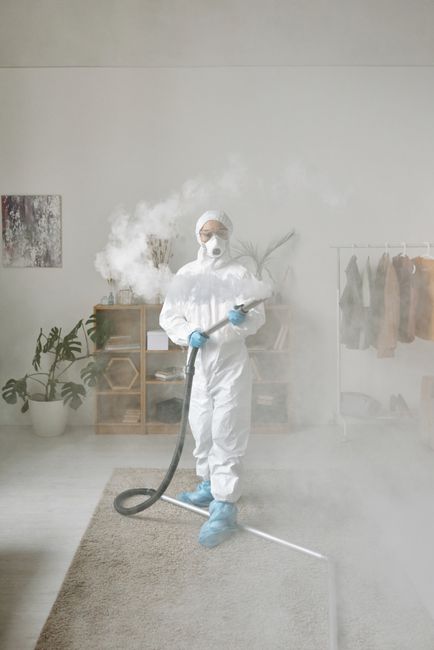
Professional Carpet Drying Techniques to Prevent Mould
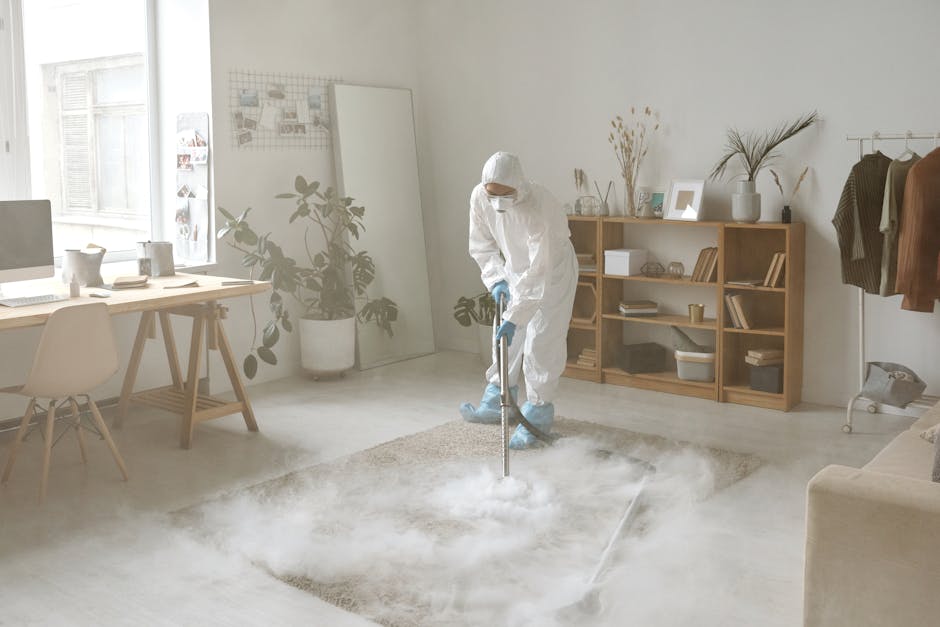
Wet carpet is one of those problems that looks small at first and then gets annoying fast. A patch of spill, a leak, a deep clean gone a bit heavy on the water - and suddenly you are wondering whether that damp smell is just temporary or the start of something worse. That is exactly where professional carpet drying techniques to prevent mould make a real difference. Drying is not just about getting the surface to feel dry underfoot; it is about removing hidden moisture before it settles into the backing, underlay, or skirting edges and creates the kind of environment mould loves.
In this guide, you will get a clear, practical breakdown of how professionals dry carpets properly, why the method matters, what mistakes to avoid, and when it makes sense to bring in help. If you are dealing with a recent clean, a leak, or a carpet that still feels a little clammy by late afternoon, this will help you make the right call. And yes, sometimes the fix is simpler than people expect.
Why Professional Carpet Drying Techniques to Prevent Mould Matters
Carpets hold moisture in layers, not just on the visible fibres. That is the part many people miss. You can touch the top and think, "looks fine," while moisture is still trapped lower down where air movement is poor. In British homes and workplaces, where rooms can stay cool and ventilation is not always ideal, that leftover damp can linger long enough for mould to become a real risk.
Mould does not need a dramatic flood to get started. A slow leak behind a radiator, a saturated hallway after rain-soaked shoes, or a carpet that was cleaned but not dried thoroughly can all be enough. Once moisture sits in the fibres and underlay, you can get odour, staining, discolouration, and that soft, stale smell that seems to hang in the room even after the windows are open.
To be fair, many carpets are resilient. But the backing, adhesive, and underlay are less forgiving. If those layers stay damp, the problem becomes harder to fix and more expensive to sort out. That is why a proper drying plan is not a "nice extra"; it is part of the cleaning job itself. In a lot of cases, people will get better long-term results from a thorough clean paired with controlled drying than from a quick clean followed by crossed fingers.
Expert summary: Good carpet drying is really moisture management. The goal is not simply to speed up the visible surface, but to remove hidden water, protect the underlay, and create airflow conditions that stop mould from taking hold.
If you are planning broader maintenance too, it is often sensible to pair carpet care with deep cleaning in the rest of the property, especially in rooms that tend to trap humidity like hallways, bedrooms, and living spaces with limited airflow.
How Professional Carpet Drying Techniques to Prevent Mould Works
Professional drying usually combines extraction, airflow, temperature control, and monitoring. The method changes depending on the carpet type, the amount of water involved, and how fast the issue was noticed. There is no single magic trick, which is partly why professional judgement matters.
The first step is always to identify how wet the carpet actually is. A carpet can appear slightly damp on top while still being saturated underneath. Professionals look at the source of water, the affected size, the backing, and whether the underlay has been impacted. Clean water from a spill is very different from contaminated water, and the drying approach should reflect that. If there has been a leak or an incident involving dirty water, the carpet may need more than simple drying.
From there, extraction equipment removes as much moisture as possible before drying begins in earnest. Then high-airflow fans or air movers are positioned to keep air moving across and through the fibres. Dehumidification may be used in enclosed spaces to pull moisture out of the air so the carpet can continue drying efficiently instead of reabsorbing humidity from the room. That bit matters more than people think.
Professionals also monitor progress. They do not just leave a fan running and hope for the best. They check the feel, the airflow pattern, room conditions, and whether the carpet edges and hidden layers are drying at the same pace as the centre. A room that smells dry is not always dry. Slight difference, but important.
For households that need regular support with cleaning and moisture control, services such as domestic cleaning can help reduce the general build-up of dust and humidity-retaining debris, while targeted carpet work deals with the wet area itself.
Key Benefits and Practical Advantages
The biggest benefit is obvious: less mould risk. But the practical value goes well beyond that. Proper drying helps preserve the carpet, protect indoor air quality, and reduce the chance of that sour damp smell that no candle in the world can really hide for long.
- Lower mould risk: Faster, deeper drying stops moisture from sitting in the carpet system long enough for mould to develop.
- Better carpet longevity: Fibres, backing, and underlay are less likely to degrade when they are not repeatedly left damp.
- Improved air quality: Less trapped moisture usually means fewer musty odours and a less inviting environment for spores.
- Faster room turnaround: Useful for homes, rentals, offices, and busy family spaces where downtime matters.
- Reduced follow-up costs: Drying properly now can avoid repairs, replacement, or repeat treatment later.
There is also the reassurance factor. Let's face it, nobody wants to keep wondering whether a carpet is secretly harbouring a problem. A proper drying process removes the uncertainty. You can see what has been done, smell the difference, and feel more confident about the room being genuinely ready to use again.
For landlords and tenants, this can be especially helpful at the end of a tenancy when presentation matters and moisture marks or odours can create awkward disputes. In those situations, combining carpet care with end of tenancy cleaning can be a practical way to get the property back into a sound, inspection-ready condition.
Who This Is For and When It Makes Sense
Not every carpet needs professional drying, and that is worth saying plainly. A very light surface spill on a modern synthetic carpet may dry quickly with household ventilation. But there are several situations where professional help becomes a smart move rather than an optional luxury.
You should seriously consider it if:
- the carpet has been soaked through rather than lightly dampened;
- water has reached the underlay or the edges near the skirting;
- the room has poor airflow or little natural light;
- there is a persistent damp smell after cleaning;
- the carpet is wool, blend, or another moisture-sensitive material;
- the property is a rental, office, or shared space where speed matters;
- there has been a leak, overflow, or weather-related water ingress;
- you can feel cool, patchy dampness underfoot after several hours.
Households with children or pets tend to notice the problem quickly because carpets get used constantly, and any musty patch becomes a bit of a daily nuisance. Offices are another common case. A wet reception area on Monday morning is not ideal, especially if people are walking through with paperwork, laptops, and coffee. Rather inconvenient, really.
In properties undergoing bigger works, a wet or dusty carpet might also be part of a wider post-project clean. If that sounds familiar, it can be worth looking at after builders cleaning alongside carpet drying, especially when dust and moisture have both played a part.
Step-by-Step Guidance
Here is the practical sequence professionals usually follow. You do not need specialist equipment to understand the process, and knowing the order helps you judge whether a job has been handled properly.
- Inspect the source and extent of moisture. Before anything else, work out where the water came from and how far it travelled. A small spill behaves differently from a hidden leak.
- Remove standing water or excess liquid. Wet vacuums or extraction machines are used to pull out as much water as possible before drying begins.
- Lift airflow around the carpet. Air movers are positioned to push dry air across the surface and, where possible, help air reach lower layers.
- Control humidity in the room. Dehumidifiers are often used in enclosed spaces, especially where windows are closed or the weather is already damp.
- Open access to edges and problem spots. Furniture may be moved and carpet edges checked so moisture is not trapped against walls or heavy items.
- Monitor progress over time. The carpet is checked at intervals. Drying is not finished just because the surface feels better after an hour.
- Confirm dryness in the hidden layers. Professionals pay attention to the underlay, backing, and areas near joins, door thresholds, and corners.
- Return the room to normal carefully. Furniture should not go back onto a carpet too early, and heavy items may need protective pads if they return before full cure.
One small but important detail: the edges and corners often stay damp longest. People tend to dry the middle first and forget the bits around the room that are tucked away. That is where mould can start quietly. The carpet in the centre may be fine; the problem is often the edges, the seam, or that one bit under the sideboard nobody thought to move. Funny how the hidden bit causes the headache.
Expert Tips for Better Results
Experienced cleaners do a few things consistently well. These are not flashy tricks. They are the boring, effective habits that make a real difference.
- Start drying early. The sooner moisture is removed, the lower the risk of odour and mould. Time matters more than people think.
- Do not trap the carpet under furniture. Even one heavy sofa leg can slow drying in a surprisingly stubborn way.
- Use airflow, not just heat. Warm air without movement can still leave moisture hanging in the room.
- Check hidden layers, not just the surface. A carpet can feel dry while the underlay stays wet.
- Keep the room ventilated where appropriate. Fresh air helps, but only if the outside air is not overly humid.
- Watch for a musty smell after 24 hours. That is often a sign more drying is needed.
- Handle natural fibres with extra caution. Wool and blends can respond differently to moisture and may need gentler treatment.
A useful rule of thumb is this: if drying feels slow, do not simply wait and hope. Review the airflow setup. Is the fan aimed correctly? Is the dehumidifier actually helping the room, or just making noise in a corner? Small adjustments can change the outcome a lot.
In homes that also need upholstery attention, it may be sensible to coordinate with upholstery cleaning so the room dries in a sensible sequence rather than creating one damp item after another.
Common Mistakes to Avoid
The biggest carpet drying mistakes are usually well-meaning. That is the annoying part. People try to help, but the method works against them.
- Relying on a quick surface check. A carpet that feels okay at the top may still be wet lower down.
- Using too little airflow. One small fan in a large room is often not enough.
- Leaving windows open in damp weather. On a wet day, you may actually bring more moisture into the room.
- Replacing furniture too soon. Heavy items can trap moisture and leave marks or odours behind.
- Ignoring underlay saturation. This is one of the fastest routes to long-term smell and mould.
- Using strong heat alone. Heat without balanced airflow can dry the surface unevenly.
- Skipping follow-up checks. A carpet may need more than one round of drying support.
There is also the "it'll be fine by tomorrow" approach. Sometimes it will be. Often, it will not. And in truth, that optimism can cost more later. If a carpet still smells damp the next morning, do not ignore it. That smell is a useful clue, not background noise.
Tools, Resources and Recommendations
You do not need a warehouse of kit, but the right tools matter. Professionals usually rely on equipment that moves dry air efficiently and helps control humidity in the room.
| Tool or method | What it does | Best use case |
|---|---|---|
| Wet vacuum or extraction machine | Removes excess water quickly | After spills, leaks, or heavy carpet cleaning |
| Air mover | Pushes airflow across the carpet surface | Most drying jobs where fast evaporation is needed |
| Dehumidifier | Reduces moisture in the room air | Closed rooms or damp weather conditions |
| Moisture meter | Helps confirm whether hidden layers are dry | When you need more certainty before furniture goes back |
| Protective furniture pads | Helps avoid staining or pressure marks | When furniture must return before full drying is complete |
If you are choosing a service provider, look for plain, practical explanations rather than grand promises. A good provider should be able to explain drying time expectations, whether underlay inspection is included, and what happens if the carpet needs more time. If they cannot explain the process clearly, that is a fair warning sign.
For ongoing property care, especially in homes where cleaning needs are broader than one room, one-off cleaning can be a sensible way to reset the space and tackle dust, spills, and moisture-related mess in one visit.
Law, Compliance, Standards and Best Practice
Carpet drying itself is not usually the kind of thing people think of as regulated in a strict legal sense, but there are still important best-practice and safety considerations. In UK homes and workplaces, cleaners and property managers should act with care around electrical equipment, slip hazards, and any contamination from dirty water.
If water damage involves contaminated liquid, sewage, or building waste, the job becomes a health and safety issue as well as a cleaning one. In those cases, proper risk assessment, personal protective equipment, and safe disposal practices are essential. That is especially relevant in commercial premises and shared buildings, where more than one person may be affected by the same damp area.
There is also a practical duty to avoid creating additional risks. Cables from fans should be placed safely, wet floors should be signposted or kept inaccessible, and furniture should not be moved back onto a potentially unstable surface too early. In offices or rental properties, that common-sense approach helps avoid complaints later.
If you want to understand how a company approaches risk, it is worth reviewing its health and safety policy and insurance and safety information. Those pages do not dry a carpet, obviously, but they do tell you whether the business takes safety and accountability seriously.
Options, Methods, or Comparison Table
Different drying methods suit different situations. A small spill in a warm, airy room does not need the same setup as a saturated hallway after a pipe leak. Here is a simple comparison to help you judge the practical options.
| Method | Speed | Risk control | Best for |
|---|---|---|---|
| Natural air drying | Slow | Low to moderate | Very minor damp patches in well-ventilated rooms |
| Fan-assisted drying | Moderate | Good | Typical household spills and post-cleaning drying |
| Air mover plus dehumidifier | Fast | Very good | Large wet areas, closed rooms, or mould-sensitive situations |
| Professional extraction and monitoring | Fastest and most controlled | Best overall | Heavy saturation, underlay wetness, or time-sensitive properties |
In practice, the best choice depends on the amount of water, the carpet material, and how quickly the room needs to be usable again. A modest spill in summer is one thing; a soaked landing in November is quite another. Truth be told, the weather in the UK does not always help.
Case Study or Real-World Example
Here is a realistic scenario. A family notices a damp smell in the hallway after a weekend of wet shoes, a small radiator leak, and a carpet shampoo session that used more water than expected. The carpet looks mostly fine by tea time, so they leave a window open and hope it sorts itself out. By the next day, the centre feels better, but the edge near the skirting still feels cool and slightly spongy.
That is the point where a proper drying approach changes the outcome. Instead of just continuing to air the room casually, a professional assessment would check the underlay, lift furniture if needed, use extraction and air movement, and monitor whether the edge is still holding moisture. In a case like this, the hidden damp is usually the issue, not the visible fibre layer.
After the correct drying method, the smell drops away, the carpet feels even rather than patchy, and the family can use the hallway without wondering whether the problem is quietly getting worse. It is a small win, but a meaningful one. The sort of thing you only really appreciate when you have had the opposite experience before.
For households or landlords managing larger clear-outs, damp-prone rooms can be dealt with alongside house clearance or other wider property work, which helps make the whole space safer and easier to maintain.
Practical Checklist
Use this checklist if you want to reduce the risk of mould after a carpet gets wet or has been cleaned deeply.
- Identify the source of the moisture first.
- Remove standing water or excess liquid as quickly as possible.
- Check whether the underlay feels damp, not just the top fibres.
- Set up airflow that reaches the affected area properly.
- Use a dehumidifier if the room is enclosed or humid.
- Keep heavy furniture off the damp carpet until it is truly dry.
- Look out for persistent smells, cold patches, or slow-drying edges.
- Inspect corners, seams, and skirting lines carefully.
- Do not rely on one quick check and assume the job is done.
- Call for professional support if drying is taking too long or the area is large.
Quick takeaway: the safest carpet drying method is the one that removes hidden moisture, not just surface damp. If you can control airflow, humidity, and time together, you are already doing most of the important work.
Conclusion
Professional carpet drying is about more than convenience. It protects the carpet, reduces mould risk, and helps keep the room healthy and comfortable. Once you understand how moisture moves through the fibres, backing, and underlay, the logic becomes straightforward: dry quickly, dry evenly, and check the hidden layers before you put everything back.
If you are dealing with a recent spill, a leak, or a carpet that just does not seem to be drying properly, trust what the room is telling you. Damp smell, cool patches, and slow-drying edges are worth paying attention to. A careful approach now can spare you a lot of bother later.
Get a free quote today and see how much you can save.
And if you want a broader view of responsible service standards, it may help to read about recycling and sustainability too. Small habits matter. They really do.
Frequently Asked Questions
How long does it take for a carpet to dry professionally?
Drying time depends on the carpet type, how wet it is, room temperature, and airflow. Light dampness may clear fairly quickly, while saturated carpets can take much longer. If the underlay is wet, drying naturally can be slow, so professional equipment often shortens the process.
Can a wet carpet get mouldy overnight?
It can start to create the conditions for mould fairly quickly if the room is warm, stagnant, or already humid. One night is not always enough for visible mould, but it is enough time for moisture to settle deeper into the carpet system. That is why speed matters.
Is a fan enough to dry a carpet?
Sometimes, but not always. A fan helps if the wet area is small and the room already has decent ventilation. For bigger jobs, or where the underlay is involved, a fan on its own is often not enough. Air movement plus moisture removal from the room works better.
Should I use heating to dry a carpet faster?
Gentle warmth can help, but heat alone is not a full solution. If the room stays humid, the carpet may still dry unevenly. In some cases, too much heat without airflow can make the surface dry faster than the base, which is not ideal.
How do I know if the underlay is wet?
A carpet that feels soft, cool, or slightly springy in places may have moisture below the surface. A lingering damp smell is another clue. Professionals often use touch, visual checks, and moisture meters to be more certain before declaring the area dry.
What type of carpet is hardest to dry?
Natural fibres and thicker pile carpets often take longer to dry properly. Wool, for example, needs more care because it can hold moisture differently from many synthetic carpets. Dense underlay also slows things down, especially in older properties.
Can I put furniture back on the carpet while it is drying?
It is better to wait until the carpet is fully dry, especially for heavy furniture. Putting items back too early can trap moisture, leave marks, or create little damp pockets under the legs. If furniture must be returned, protective pads can help, but only as a temporary measure.
What smells indicate mould risk after carpet cleaning?
A persistent musty, stale, or slightly earthy smell is the main one to watch for. If the room still smells damp after several hours of airflow, the carpet may need more drying time. Smell alone is not proof of mould, but it is a useful warning sign.
Do I need professional help after a small spill?
Not usually. A small spill on a modern carpet can often be managed at home if it is dried quickly and properly. Professional help becomes more useful when the water is widespread, the carpet stays damp for too long, or the underlay has been affected.
Are carpet drying services useful for offices or rental properties?
Yes, very much so. Offices need rooms back in use quickly, and rental properties often need a clean, odour-free finish for handover or inspections. In those settings, controlled drying reduces disruption and helps avoid complaints about damp or mildew.
What should I ask a carpet cleaning company about drying?
Ask how they handle moisture removal, whether they inspect underlay, what drying equipment they use, and how they confirm the carpet is fully dry. Clear answers are a good sign. Vague answers usually are not, to be honest.
Can mould in carpet be fixed without replacing the carpet?
Sometimes, yes, if the issue is caught early and the carpet is dried properly before mould becomes established. If mould has spread into the backing or underlay, replacement may be the safer option. The key is not to wait too long and hope it resolves itself.
Where can I find more about the company's approach to service and support?
You can review the company's about us page for a general overview, and if you need to make an enquiry, the contact us page is the best next step.