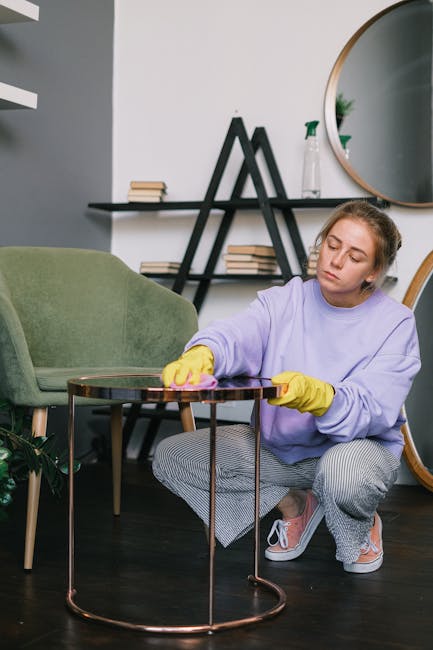
How to Deep Clean Upholstery Safely at Home
If your sofa looks tired, smells a bit off, or has picked up the usual mix of crumbs, pet hair, and day-to-day grime, you are not alone. Upholstery tends to hide mess quietly until one day it does not. Knowing how to deep clean upholstery safely at home can save you money, freshen up a room fast, and help you avoid the very common mistake of over-wetting or damaging the fabric. Truth be told, the safest approach is usually the calm one: identify the fabric, test first, work in stages, and dry it properly.
This guide walks you through what deep cleaning upholstery actually involves, which methods suit different materials, how to do it without creating watermarks or shrinkage, and when it makes more sense to step back and call in a professional. It is practical, UK-friendly, and written for real homes, not showroom-perfect furniture that never sees a Sunday roast.
Table of Contents
- Why deep cleaning upholstery safely matters
- How upholstery deep cleaning works
- Key benefits and practical advantages
- Who this is for and when it makes sense
- Step-by-step guidance
- Expert tips for better results
- Common mistakes to avoid
- Tools, resources and recommendations
- Law, compliance, standards, or best practice
- Options, methods, or comparison table
- Case study or real-world example
- Practical checklist
- Conclusion
- Frequently asked questions
Why How to Deep Clean Upholstery Safely at Home Matters
Upholstered furniture gets a lot more use than people realise. It holds onto body oils, dust, crumbs, smoke residue, pet dander, drinks spills, and whatever else drifts in during a normal week. On the surface, that might only look like dullness or a faint smell. Underneath, it can be a build-up that affects comfort, appearance, and even indoor air quality.
Deep cleaning matters because upholstery is not like a hard floor. You cannot simply scrub harder and expect a better outcome. Some fabrics are delicate, some fillings trap moisture, and some dyes will move if you use the wrong cleaner. A safe method protects the fabric while still removing embedded dirt. That balance is the whole game.
It also matters because a rushed clean can do more damage than leaving the marks alone. Over-wetting can lead to mildew, ring stains, distortion, or a lingering damp smell that takes days to clear. If you have ever sat down on a sofa that still felt slightly tacky hours later, you will know the disappointment. Not ideal, to say the least.
For households with children, pets, allergy concerns, or light-coloured furniture, a proper clean can make a noticeable difference. And if you are preparing for guests, moving out, or just trying to reset the room after a messy season, upholstery often makes the biggest visual impact for the least effort when done properly.
How How to Deep Clean Upholstery Safely at Home Works
Safe upholstery cleaning is really a sequence of controlled steps rather than one dramatic scrub. The process usually follows four ideas: identify the fabric, remove loose soil, apply the right cleaning method sparingly, and dry the piece thoroughly.
The fabric type is the starting point. Many upholstery pieces carry a care label with cleaning codes such as W, S, WS, or X. In simple terms:
- W means water-based cleaning is usually acceptable.
- S means solvent-based cleaning only, or very limited moisture.
- WS means either method may work, with caution.
- X means vacuum only, or professional cleaning only.
That label is not decoration. It is your safest guide. If the fabric code is missing, faded, or unreadable, treat the piece cautiously and test any product on a hidden spot first.
Then comes soil removal. Dry debris sits on top of fibres and can turn into mud the moment water touches it. A careful vacuuming with the right attachment removes the loose stuff first, which makes the deep clean more effective. It is a boring step, but a very useful one.
Next is the actual cleaning. For water-safe fabrics, a mild upholstery solution or diluted cleaner can be lightly applied, agitated gently, and blotted out rather than soaked in. For solvent-only fabrics, the approach changes entirely and moisture should be kept to a minimum. Steam cleaning can be useful in some situations, but it is not universally safe. More on that later.
Finally, drying is just as important as the wash itself. Good airflow, open windows, and a clean towel press can speed things up. If upholstery stays damp too long, you risk odours and hidden moisture in the padding. Nobody wants a sofa that smells like a wet umbrella, especially in a small London flat in February.
Key Benefits and Practical Advantages
There are obvious benefits, and then there are the quieter ones people notice after the job is done. The obvious one is appearance: upholstery looks brighter, fresher, and more cared for. A less obvious one is comfort. Clean fabric feels better to sit on, even if only because you know what is no longer living in it.
Here are the main practical advantages:
- Improved freshness: deep cleaning reduces trapped odours from pets, food, smoke, and day-to-day use.
- Better hygiene: dust and allergens are removed from fabric surfaces and fibres.
- Longer furniture life: removing grit helps reduce fibre wear and dulling.
- Better stain control: stains are easier to treat before they settle in for the long haul.
- Lower replacement pressure: a well-maintained sofa or chair often lasts longer before it starts looking genuinely tired.
There is also a practical financial angle. If you already pay attention to regular home maintenance, you can often delay replacement or reupholstery. That is particularly helpful for larger family sofas, corner units, or a much-loved armchair that has become the unofficial household seat. We all have one.
For property managers, landlords, or tenants nearing the end of a tenancy, cleaner upholstery can also support a better presentation. It may not be the centrepiece of a move-out clean, but it contributes to that overall "well-kept" feel that people notice quickly.
Who This Is For and When It Makes Sense
This guide is for anyone who wants a safer, more controlled way to refresh upholstered furniture at home. That includes parents dealing with snack spills, pet owners dealing with fur and the occasional mystery stain, renters trying to keep a space presentable, and homeowners who simply want the living room to feel cleaner without guessing their way through it.
It makes sense to deep clean upholstery at home when:
- the fabric is water-safe or lightly cleanable;
- the piece has visible soil, mild staining, or odour build-up;
- you can test products on a hidden area first;
- you have enough time for thorough drying;
- the furniture is in reasonably good condition.
It is less suitable when the fabric is antique, silk, velvet with uncertain care codes, badly damaged, or already holding a strong smell of mould or damp. In those cases, trying to force a home clean can make things worse very quickly. If the upholstery is expensive or sentimental, caution is the sensible choice.
You might also decide to stop at maintenance cleaning if the item is only lightly dusty. Deep cleaning should be purposeful, not a monthly ritual just because the internet says so. The goal is to clean what needs cleaning, not to create extra work for yourself.
Step-by-Step Guidance
Let's get into the practical part. The safest way to deep clean upholstery at home is to move slowly and keep moisture under control.
1. Check the care label and fabric type
Before anything else, find the cleaning label. If you cannot find one, inspect the fabric closely and think about what the upholstery feels like. A smooth synthetic blend behaves very differently from a natural fibre or a textured woven fabric. When in doubt, test in a hidden corner and wait for it to dry fully before proceeding.
2. Vacuum thoroughly
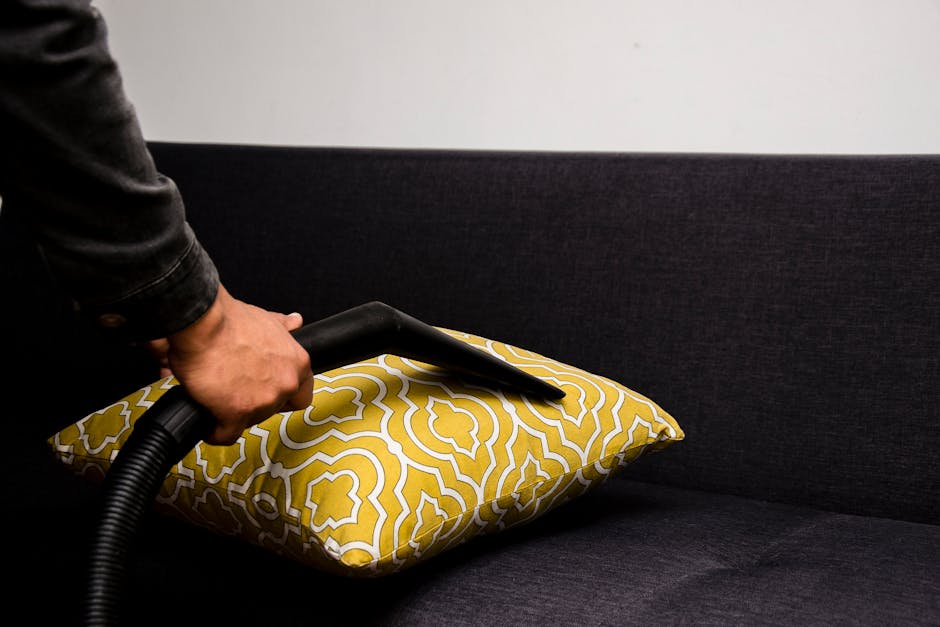
Use a vacuum cleaner with an upholstery attachment, crevice tool, or soft brush. Remove cushions if possible and vacuum the seams, under cushions, and along piping. These areas trap crumbs and grit. If you skip this step, your cleaner simply turns dry dirt into a mess.
3. Pre-treat visible marks carefully
For spot stains, blot first. Do not rub. Rubbing pushes stains deeper and can roughen the fabric. Use a small amount of suitable upholstery cleaner or a mild solution on a cloth, not directly poured onto the sofa. Work from the outside of the mark inward so the stain does not spread.
4. Choose the correct cleaning method
For water-safe fabrics, a lightly damp cloth, foam cleaner, or a fabric-safe spray can work. For solvent-only fabrics, use a product designed for low-moisture cleaning and keep application minimal. For delicate fabrics, less really is more. A little too much liquid, and you are suddenly managing a very expensive drying problem.
5. Clean in small sections
Work one area at a time, such as one cushion, one arm, or half a seat panel. Apply cleaner sparingly, agitate with a soft brush or cloth, then blot with a dry towel. Controlled section cleaning makes it easier to avoid streaks and water rings.
6. Rinse only if the product requires it
Some cleaners need light rinsing with a barely damp cloth. Others are designed to remain in the fibres. Always follow the product guidance, but keep the fabric as dry as possible throughout. Over-rinsing is a common reason upholstery looks cleaner for an hour and then develops a dull halo later.
7. Dry properly
Open windows if weather allows, use fans for airflow, and keep cushions separated so air can circulate. If you can, place the piece in a room that is warm but not overheated. Avoid direct intense heat, which can shrink or distort some fabrics. You want "even dry," not "crispy edges."
8. Finish with a final vacuum or brush
Once fully dry, vacuum lightly again to lift the pile and remove any dried residue. On some fabrics, a soft upholstery brush restores texture and helps the furniture look more even.
| Step | What to do | Why it matters |
|---|---|---|
| Check care label | Confirm W, S, WS, or X | Reduces risk of fabric damage |
| Vacuum | Remove loose dirt and debris | Improves cleaning results and prevents smearing |
| Spot treat | Blot and test a hidden area | Helps avoid colour loss or spreading stains |
| Clean in sections | Use small amounts of product | Prevents overwetting and uneven drying |
| Dry fully | Use airflow and patience | Stops odours, rings, and mildew |
Expert Tips for Better Results
A few small habits can make the difference between a decent clean and a really good one. These are the things that often separate a tidy refresh from an awkward "why is there a watermark?" situation.
- Test first, always. Even fabric-safe products can affect dyes, sheen, or texture.
- Blot more than you scrub. Pressure is useful; aggression is not.
- Use white cloths or plain microfibre. That way you do not transfer dye from a coloured towel onto a pale sofa.
- Work from clean to dirty. Start with the least soiled areas so you do not drag grime across the whole piece.
- Do a dry vacuum before any damp cleaning. It really does help, especially around seams.
- Keep pets off until fully dry. A damp sofa and a muddy paw print is a comedy sketch nobody asked for.
- Use airflow rather than heat when possible. Gentle circulation is safer than blasting the fabric with a heater.
Another useful tip: take a photo before you start. Not because you need a dramatic before-and-after for social media, but because it helps you see whether the fabric is drying evenly or whether one section needs extra attention. Tiny detail, big payoff.
If you want a broader reset for the whole home, pairing upholstery care with a wider deep cleaning service can be a sensible move when time is tight or several rooms need attention. And if the sofa is part of a bigger home refresh, the broader approach can feel less stop-start.
Common Mistakes to Avoid
Most upholstery damage during home cleaning comes from a few predictable errors. The good news? They are avoidable.
- Skipping the label. Guessing the fabric code is risky.
- Using too much water. This is the big one. Watermarks, shrinkage, and slow drying often start here.
- Applying cleaner straight onto the fabric. Always control application.
- Scrubbing stains hard. That often pushes the stain deeper or roughs up the fibres.
- Mixing products. More cleaner does not equal better cleaner. Sometimes it just means more residue.
- Ignoring drying time. If you sit on the sofa while it is still damp, you may flatten fibres or trap moisture.
- Using the wrong tool. A stiff brush on delicate fabric is not a clever shortcut.
One mistake people rarely talk about is cleaning only the visible stain and leaving the surrounding area untouched. That can create a patchy look after drying. With upholstery, the whole affected area should be blended cleanly, even if the stain itself is small.
And yes, sometimes the safest thing to do is stop. If a mark is old, oily, or already changed the fabric texture, pushing harder can make the whole patch look worse. That is not a failure; it is judgement.
Tools, Resources and Recommendations
You do not need a truck full of gear to clean upholstery safely at home. In most cases, a few sensible tools are enough.
- Vacuum cleaner with upholstery and crevice attachments
- Soft brush or clean upholstery brush
- Microfibre cloths or plain white towels
- Bowl of clean water for light rinsing if needed
- Fabric-safe upholstery cleaner matched to the care code
- Fans or open windows for drying
- Gloves if the cleaner may irritate skin
If you are deciding between foam, spray, or extraction-style cleaning, read the product instructions carefully. Foam often gives more control on delicate textiles. Sprays can be useful for even application but can also encourage overuse. Extraction tools can be excellent for some fabrics, though they are not the best choice for every sofa in every house. The machine is not magic. Slightly disappointing, but true.
For readers looking to keep a broader household clean on a manageable schedule, a one-off refresh can sometimes be more practical than piecemeal effort. That is where a one-off cleaning approach can fit neatly alongside furniture care, especially after a busy period or before hosting guests.
If you are comparing services, it can also help to understand how upholstery cleaning sits alongside other specialist cleaning tasks such as carpet cleaning and rug cleaning. The methods overlap a little, but the fabric structures are not identical, so the safest route is never to assume one treatment suits all.
Law, Compliance, Standards, or Best Practice
For home cleaning, there is not usually a legal process specific to upholstery deep cleaning, but there are still sensible UK best-practice considerations. The main one is safety: cleaning chemicals should be used according to the label, kept away from children and pets, and stored properly after use. If a product advises gloves, ventilation, or spot testing, follow that guidance.
From a broader household safety perspective, it is wise to avoid mixing cleaning agents, especially anything containing bleach with other products. That is standard domestic safety rather than any special upholstery rule, but it matters a lot. Simple, careful use beats improvised chemistry every time.
If you live in a rented property, it is also worth checking your tenancy expectations before attempting a major clean. You are generally expected to return items in a reasonable condition, but a well-meaning DIY clean that causes damage can become more expensive than leaving the mark alone. A careful approach is usually the best one.
If you choose a professional cleaner instead, trust signals matter. Look for clear information about insurance, safety procedures, complaint handling, and payment security. On that note, pages such as insurance and safety, health and safety policy, and payment and security help reassure customers that a provider takes the work seriously.
For people who care about environmental impact, a firm's recycling and sustainability approach can also matter, especially when cleaning products, packaging, and waste disposal are part of the picture. It is not the first thing most people think about, but it is a fair question to ask.
Options, Methods, or Comparison Table
There is no single best cleaning method for every upholstered item. The right choice depends on the fabric, the soil level, and how much moisture the piece can safely handle.
| Method | Best for | Pros | Risks or limits |
|---|---|---|---|
| Vacuum and spot clean | Light soil, quick refreshes | Fast, low-risk, good for maintenance | Won't remove deep embedded grime |
| Foam or low-moisture cleaner | Most water-safe fabrics | Better control, less overwetting | May need repeat passes on older stains |
| Damp cloth and mild solution | Small marks and localised cleaning | Simple and inexpensive | Easy to overuse water if you rush |
| Extraction-style cleaning | Some sturdy fabrics | Can reach deeper dirt | Not suitable for all upholstery and can over-wet delicate fabrics |
| Professional upholstery cleaning | Delicate, valuable, or heavily soiled furniture | Expert handling, stronger equipment, lower risk | Costs more than DIY |
If your sofa is a favourite but the stains are stubborn, a professional upholstery cleaning service is often the safest route. The right decision is not always about doing it yourself. Sometimes it is about protecting the thing you actually want to keep.
Case Study or Real-World Example
Here is a very ordinary but common situation. A family sofa has picked up a mix of biscuit crumbs, dark marks around the headrest, and a small juice spill on one seat cushion. Nothing dramatic. Just life, really.
The first pass is a thorough vacuum, including between cushions and along seams. That alone already lifts a surprising amount of grit and fluff. Next, the care label is checked and the fabric is confirmed to be water-safe. A hidden test spot is done with a mild upholstery cleaner, then left to dry while the kettle boils. No colour transfer, which is a relief.
The stained headrest area is treated in small sections with a lightly damp cloth rather than being drenched. The juice spill is blotted first, then gently worked with cleaner and a dry towel. The sofa is left with windows open and a fan running for airflow. By late afternoon, it looks fresher, smells cleaner, and feels noticeably less sticky.
What made the difference was not fancy equipment. It was restraint. Small amounts of product, patience, and a decision not to attack the fabric with brute force. That is usually the pattern with upholstery. The careful method wins.
In a larger home refresh, this kind of work might sit alongside domestic cleaning or even a broader deep cleaning visit if several soft furnishings and rooms need attention at once. It saves time and avoids the frustration of trying to do everything in one exhausted Saturday.
Practical Checklist
Use this quick checklist before you start. It keeps the job tidy and helps prevent avoidable mistakes.
- Find and read the upholstery care label.
- Check whether the fabric is water-safe, solvent-only, or dry-clean only.
- Vacuum all surfaces, seams, and under cushions.
- Test the cleaner on a hidden area first.
- Gather clean cloths, a soft brush, and a dry towel.
- Work in small sections rather than cleaning the whole sofa at once.
- Blot stains gently instead of scrubbing them.
- Use as little liquid as possible.
- Allow full drying with steady airflow.
- Vacuum lightly again once dry to restore texture.
If any step feels uncertain, pause. A short break is far better than repairing a mistake later. Honestly, upholstery is one of those jobs where calm beats confidence.
Get a free quote today and see how much you can save.
Conclusion
Deep cleaning upholstery at home is very doable when you respect the fabric, keep moisture under control, and work methodically. The main idea is simple: identify the material first, test carefully, clean gently, and dry properly. Do that, and you can refresh a sofa or chair without turning it into a damp, patchy headache.
The biggest wins often come from the basics. Vacuum thoroughly, blot rather than scrub, and do not assume more product means better results. If the piece is delicate, valuable, or already showing signs of damage, stepping back and choosing a professional is not overcautious. It is sensible.
And when the room finally looks brighter and the furniture smells clean again, it just feels better. Small win, but a real one.
Frequently Asked Questions
What is the safest way to deep clean upholstery at home?
The safest method is to check the care label, vacuum first, test any cleaner on a hidden spot, use minimal moisture, and dry the fabric fully with good airflow. That approach reduces the risk of watermarks, shrinkage, and lingering odours.
Can I use a steam cleaner on my sofa?
Sometimes, but not always. Steam can be helpful on some sturdy, water-safe fabrics, yet it can damage delicate materials or drive moisture too deeply into the padding. If the care label is unclear, it is safer not to guess.
How do I know what fabric my upholstery is?
Start with the manufacturer's care label if there is one. If not, look closely at texture, weave, and finish. Velvet, silk blends, and some natural fibres need much more caution than standard synthetic upholstery. If in doubt, treat it as delicate.
What cleaning code means I should not use water?
A fabric marked S is usually solvent-only, and X means vacuum only or professional cleaning only. Those codes are important because water can mark or damage the fabric.
How often should upholstery be deep cleaned?
That depends on use. A lightly used chair may only need occasional refreshes, while a family sofa with pets or children may need more regular attention. Most people find that spot cleaning plus periodic deep cleaning works better than waiting for the furniture to look obviously dirty.
Why does my sofa look worse after cleaning?
That usually happens because of overwetting, residue, or uneven drying. A faint ring or patch can appear if the surrounding area dries differently from the cleaned area. Keeping cleaning sessions small and controlled helps prevent this.
Can I use washing-up liquid on upholstery?
It is not usually the best choice. Washing-up liquid can leave residue if it is not fully removed, and it is not designed for all upholstery fabrics. A cleaner made specifically for upholstery is safer and more predictable.
How do I remove smells from a fabric sofa safely?
Start by vacuuming thoroughly, then identify and treat the source of the smell rather than masking it. Light, fabric-safe cleaning and proper drying often help. If the odour is strong, persistent, or damp-related, professional help may be the smarter option.
Is it okay to clean upholstery in winter?
Yes, but drying takes longer in colder weather. Use airflow, warm indoor conditions, and patience. In a typical UK home, winter cleaning is perfectly fine, you just need to allow extra drying time.
What should I do if a stain has been there for months?
Older stains are more difficult because they may have bonded to the fibres or padding. Start cautiously with a hidden test and avoid heavy scrubbing. If the stain is oily, set-in, or large, it may be better to seek professional upholstery cleaning.
Can deep cleaning damage upholstery?
Yes, if it is done incorrectly. The biggest risks are too much water, using the wrong product, or scrubbing too hard. That is why the fabric code and test patch matter so much.
When should I call a professional instead of DIY cleaning?
If the fabric is delicate, the furniture is valuable, the stain is severe, or the piece already smells damp or mouldy, professional cleaning is usually the safer choice. It can also be useful when several pieces need attention at once and you want a more thorough result without the hassle.
If you are comparing options or want help planning a safe clean, you can also look at service details and pricing information through the site's relevant pages, then decide what suits your home best. Sometimes the best answer is a mixture of DIY maintenance and expert support, which is fair enough.
Take your time, trust the fabric, and keep it simple. That is usually how good upholstery cleaning goes, and it tends to go much better than the rushed version.